
The Hidden History and Meaning of the Baby New Year Tradition |
Beyond the sash and top hat lies a fascinating story of ancient gods, iconic magazines, and our timeless hope for a fresh start. |
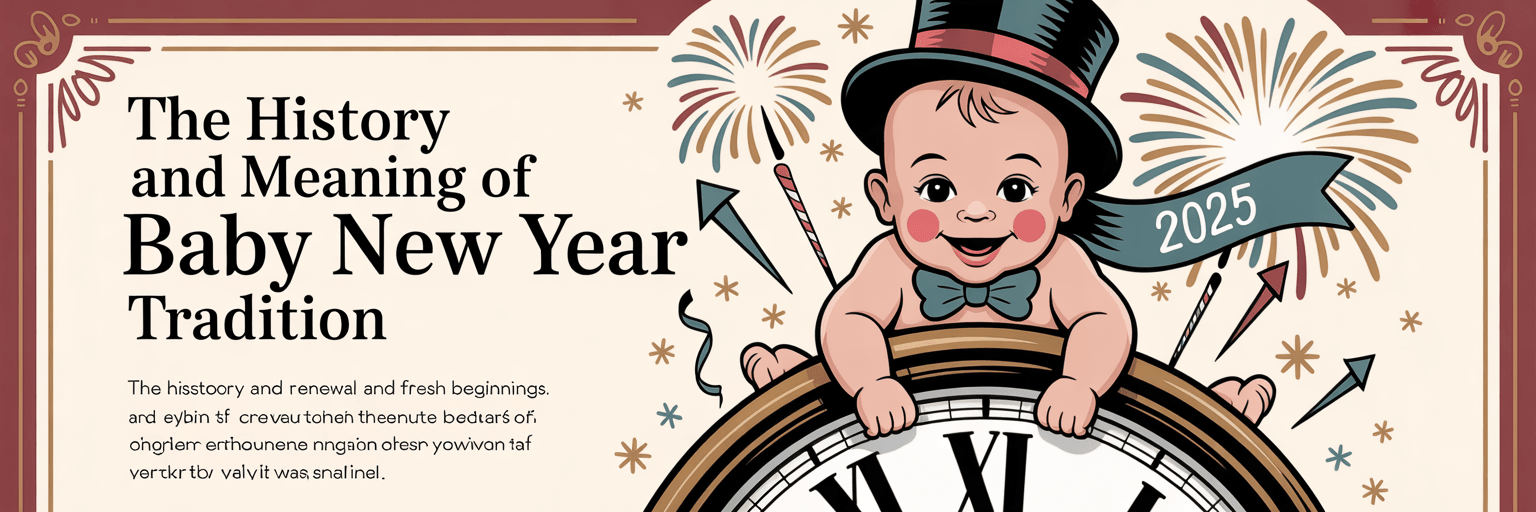 |
When the clock strikes midnight on New Year's Eve, a familiar character emerges: a tiny baby in a diaper.
This is the Baby New Year, a symbol of fresh beginnings that most of us recognize but few truly understand.
The tradition has surprisingly deep roots, stretching all the way back to ancient Greece around 600 BC.
They celebrated the rebirth of the god Dionysus as an infant, symbolizing the renewal of the earth and the start of a new growing season.
This pagan concept was later adopted by early Christianity, connecting the infant symbol to the feast of the Christ Child on January 1st.
However, the modern image we know today was truly cemented in the early 20th century.
Illustrator J.C. Leyendecker created a series of iconic covers for The Saturday Evening Post featuring a cherubic infant.
This single artist's vision effectively secularized the tradition for millions of Americans.
Often, the baby is shown alongside an elderly, robed figure known as Father Time.
This powerful duo represents the cyclical nature of life, with the old year passing the torch to the new.
It’s a visual reminder that every ending makes way for a hopeful beginning.
Today, the tradition lives on not just in cartoons but in local customs, like newspapers celebrating the first baby born in a community hospital after midnight.
That simple symbol of a baby carries centuries of history, myth, and our collective wish for a better year ahead.
---
Frequently Asked Questions
What does the Baby New Year symbolize? The Baby New Year symbolizes a fresh start, hope, and the promise of new opportunities for the upcoming year. The infant represents a clean slate, free from the mistakes and hardships of the year that has passed.
Where did the tradition of Father Time and the Baby New Year come from? The pairing represents the passage of time. Father Time, as the old year, hands over his duties to the infant Baby New Year at the stroke of midnight. This imagery became popular in 19th and 20th-century illustrations and cartoons. |