
Avalanche Accidents Near Keystone, Vail Serve as Stark Warning Amid Declining Danger |
A dry spell and record-low snowpack have lowered Colorado's avalanche risk, but recent close calls reveal a deadly, hidden threat lurking in the backcountry. |
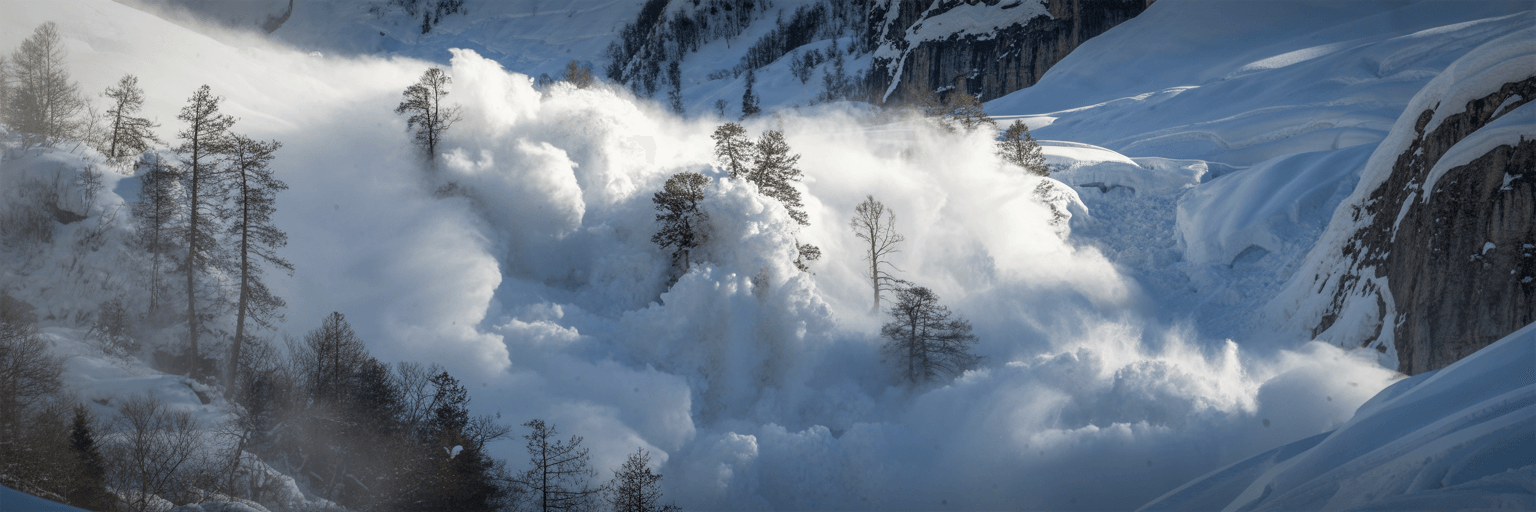 |
A deceptive quiet has settled over Colorado’s high country.
An unusually dry winter and historically low snowpack have led to a rare decline in avalanche danger for this time of year, a situation that seems like a blessing for eager backcountry skiers and snowboarders.
But recent avalanche accidents near Keystone, Vail, and other popular zones tell a different, more dangerous story.
This isn't the time to let your guard down.
Officials at the Colorado Avalanche Information Center are sounding the alarm about a hidden danger that persists despite the thin snow.
The primary concern is a tricky and unpredictable hazard known as a persistent slab avalanche problem.
This dangerous condition involves a weak, sugary layer of early-season snow buried beneath a dense, wind-hardened slab.
That instability was brutally illustrated on January 29, when a backcountry skier suffered a serious injury after being caught in a slide in the Montezuma area near Keystone.
Just days later, on February 1, another skier triggered a significant avalanche near Vail Pass.
While that individual managed to escape unharmed, the slide was large enough to bury, injure, or kill a person—a chilling reminder of what's at stake.
According to experts, the low avalanche danger in Colorado is a statistical anomaly for February, driven solely by the lack of new snow.
This creates a false sense of security, as the underlying weak layers on steep, wind-drifted slopes remain incredibly sensitive.
Even without obvious signs of instability like cracking or collapsing snow, a single skier can trigger a catastrophic slide.
While there have been no avalanche fatalities in Colorado this season, these incidents are a serious wake-up call.
Backcountry travelers in Summit County and beyond are urged to exercise extreme caution, check the daily forecast, and understand that low snow does not mean no risk.
Frequently Asked Questions
What is a persistent slab avalanche?
A persistent slab avalanche occurs when a cohesive slab of snow sits on top of a weak, persistent snow layer. They are notoriously unpredictable and can be triggered by a person from a distance, making them especially dangerous for backcountry recreation.
Why is avalanche danger still a concern with low snowpack?
Even with a thin snowpack, dangerous conditions exist. Early-season snow formed weak, sugary layers (facets) at the base. Subsequent wind and light snow have created dense slabs on top of this unstable foundation, particularly on steep, wind-loaded slopes.
Where is the highest risk for avalanches near Vail and Keystone?
The highest risk is on steep slopes, generally over 30 degrees, that have been wind-loaded with snow. Shaded, north-facing and east-facing slopes are often more dangerous as they harbor the persistent weak layers from earlier in the season. |